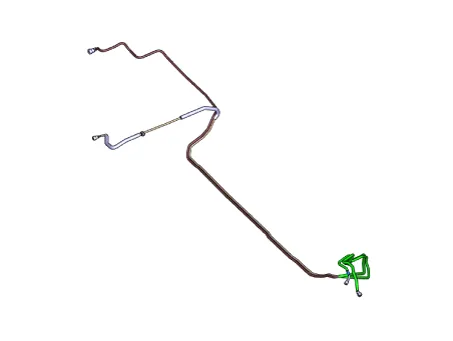
Kia Optima DL3: Fuel Delivery System / Fuel Line
Components and components location
| Component |
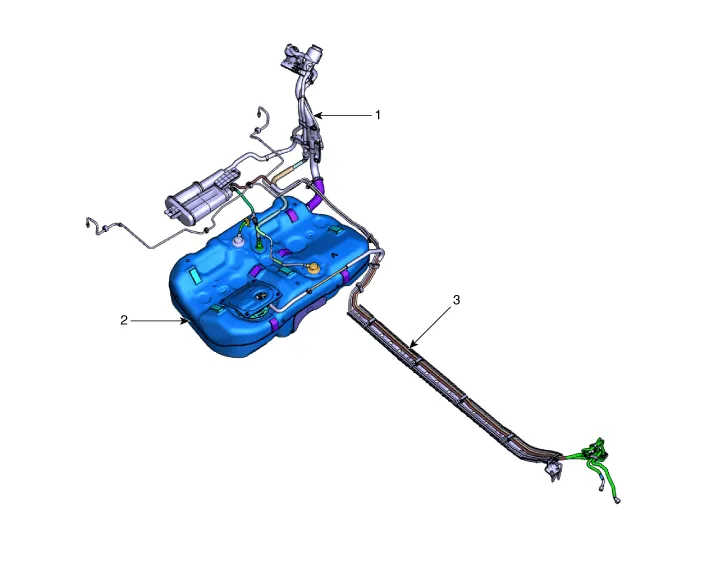
| 1. Filler-Neck Assembly 2. Fuel Tank Complete |
3. Fuel Line |
Repair procedures
| Removal |
| 1. |
Release the residual pressure in fuel line. (Refer to Fuel Delivery System - "Release Residual Pressure in Fuel Line")
|

| 2. |
Disconnect the negative battery terminal. |
| 3. |
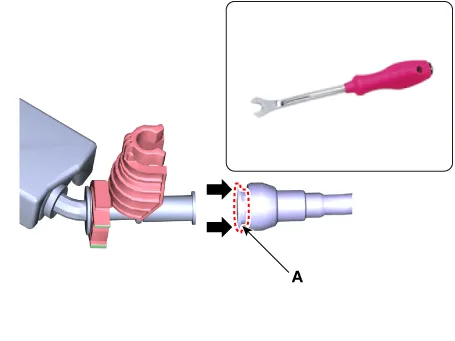
Separate the fuel feed tube quick-connector (A).
|

| 4. |
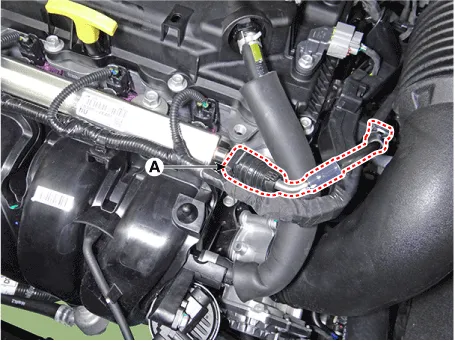
Separate the vapor hose (A).
|
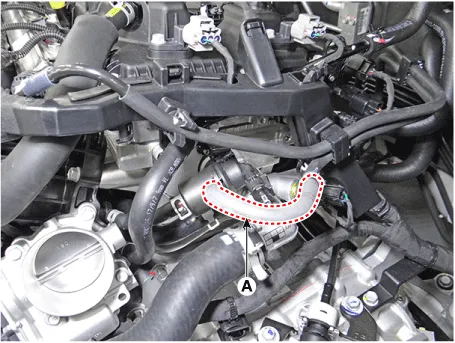
| 5. |
Remove the fuel tank. (Refer to Fuel Delivery System - "Fuel Tank") |
| 6. |
Disconnect the vapor quick-connector (A) from the canister.
|
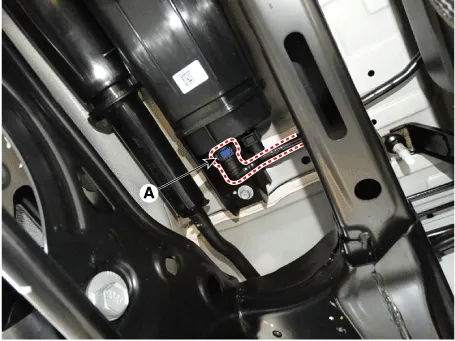
| 7. |
Remove the cover (A) after loosening the mounting nuts.
|
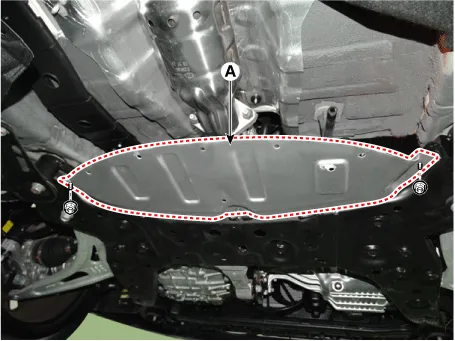
| 8. |
Remove the fuel line (A) from the vehicle after removing the fixing clips.
|
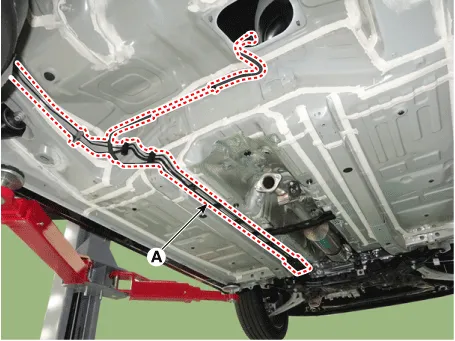
| Installation |
| 1. |
Install in the reverse order of removal. |
Components and components location Component 1. Plate Assembly 2. Clip 3. O-ring 4. Fuel Reservoir Cup 5.
Components and components location Components 1. Filler-Neck Assembly 2. Canister 3. Fuel Tank Complete Repair procedures Removal 1.
Other information:
Kia Optima DL3 2019-2026 Service and Repair Manual: License Lamps
Repair procedures Removal 1. Disconnect the negative battery terminal. 2. Remove the lcense lamp (A) by pressing the hook. 3. Disconnect the lcense lamp connector (A).
Kia Optima DL3 2019-2026 Service and Repair Manual: Cluster Ionizer
Components and components location Components Location 1. Condenser Description and operation Description The cluster ionizer makes disinfection and decomposition of bad smell from the air-conditioner or inflow air.
Categories
- Manuals Home
- Kia Optima Owners Manual
- Kia Optima Service Manual
- Headlamps
- Restraint
- Cooling System
- New on site
- Most important about car
