Kia Optima DL3: Fuel Delivery System / Fuel Line
Components and components location
| Component |
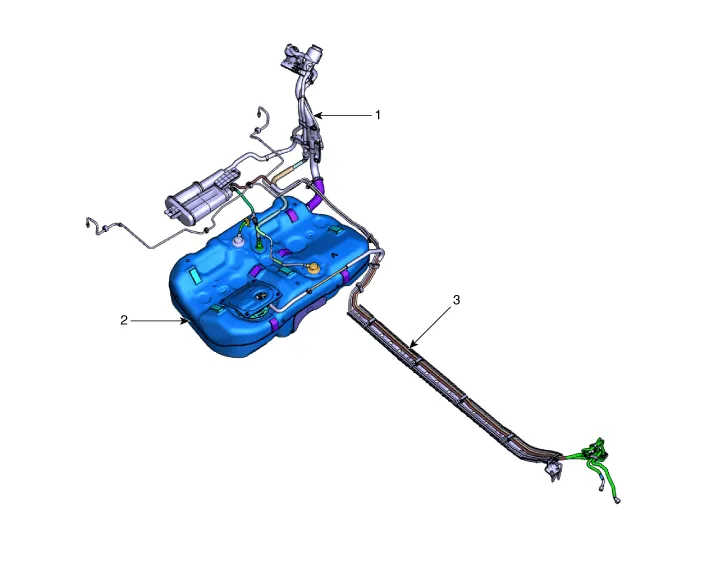
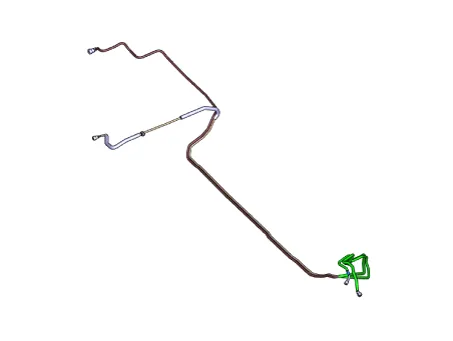
| 1. Filler-Neck Assembly 2. Fuel Tank Complete |
3. Fuel Line |
Repair procedures
| Removal |
| 1. |
Release the residual pressure in fuel line. (Refer to Fuel Delivery System - "Release Residual Pressure in Fuel Line")
|

| 2. |
Disconnect the negative battery terminal. |
| 3. |
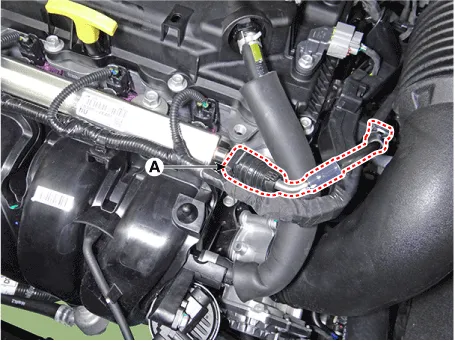
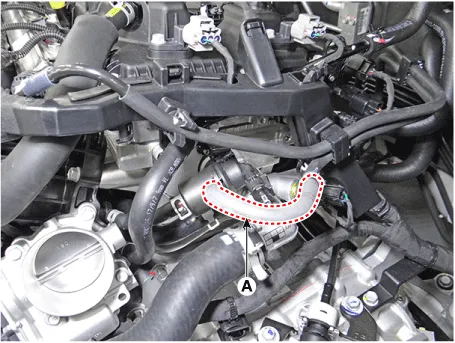
Separate the fuel feed tube quick-connector (A).
|

| 4. |
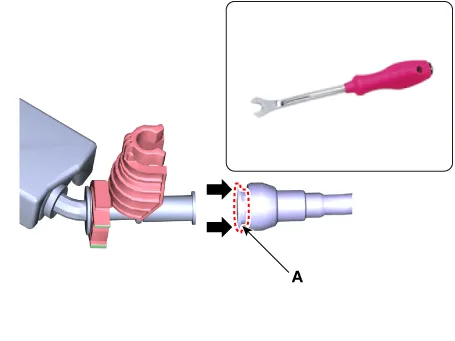
Separate the vapor hose (A).
|
| 5. |
Remove the fuel tank. (Refer to Fuel Delivery System - "Fuel Tank") |
| 6. |
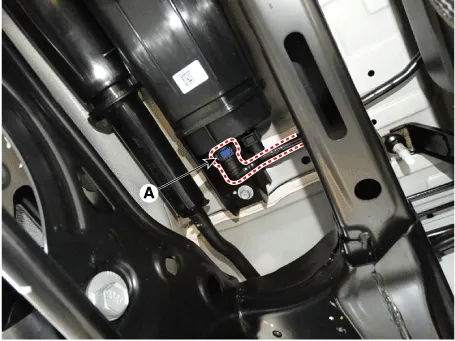
Disconnect the vapor quick-connector (A) from the canister.
|
| 7. |
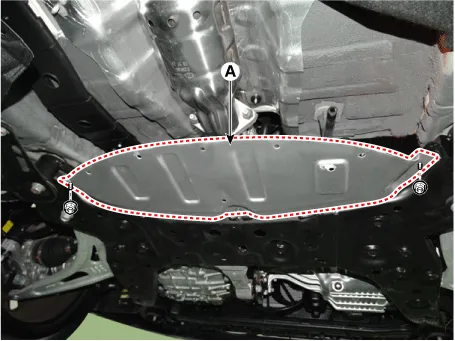
Remove the cover (A) after loosening the mounting nuts.
|
| 8. |
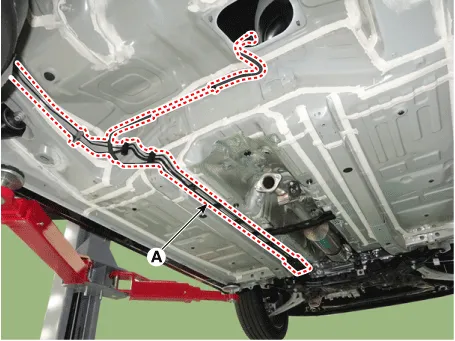
Remove the fuel line (A) from the vehicle after removing the fixing clips.
|
| Installation |
| 1. |
Install in the reverse order of removal. |
Components and components location Component 1. Plate Assembly 2. Clip 3. O-ring 4. Fuel Reservoir Cup 5.
Components and components location Components 1. Filler-Neck Assembly 2. Canister 3. Fuel Tank Complete Repair procedures Removal 1.
Other information:
Kia Optima DL3 2019-2026 Service and Repair Manual: Rear Combination Lamp
Components and components location Component Location 1. Tail lamp 2. Stop lamp 3. Tail/Stop lamp 4. Back up lamp 5. Turn signal lamp Schematic diagrams Connector and Terminal Function [A Type] Pin Function Center Ou
Kia Optima DL3 2019-2026 Service and Repair Manual: In-car Sensor
Description and operation Description The In-car air temperature sensor is built in the heater & A/C control unit. The sensor contains a thermistor which measures the temperature of the inside. The signal decided by the resistance value which changes in accordance with perceived inside temperature, is delivered to heater co
Categories
- Manuals Home
- Kia Optima Owners Manual
- Kia Optima Service Manual
- Motor Driven Power Steering
- Lift And Support Points
- Body Electrical System
- New on site
- Most important about car
